Introduction
The beauty industry is embracing a major shift towards sustainability in 2026. With rising environmental concerns, consumers are increasingly seeking eco-friendly alternatives. Among the most significant trends is the growing demand for makeup remover towels. These reusable options not only reduce waste but also provide a safer, more sustainable way to remove makeup. In this article, we will explore the key drivers behind this trend and what it means for the future of beauty products.
The Key Drivers Behind the Rising Demand
Sustainability Concerns and Waste Reduction
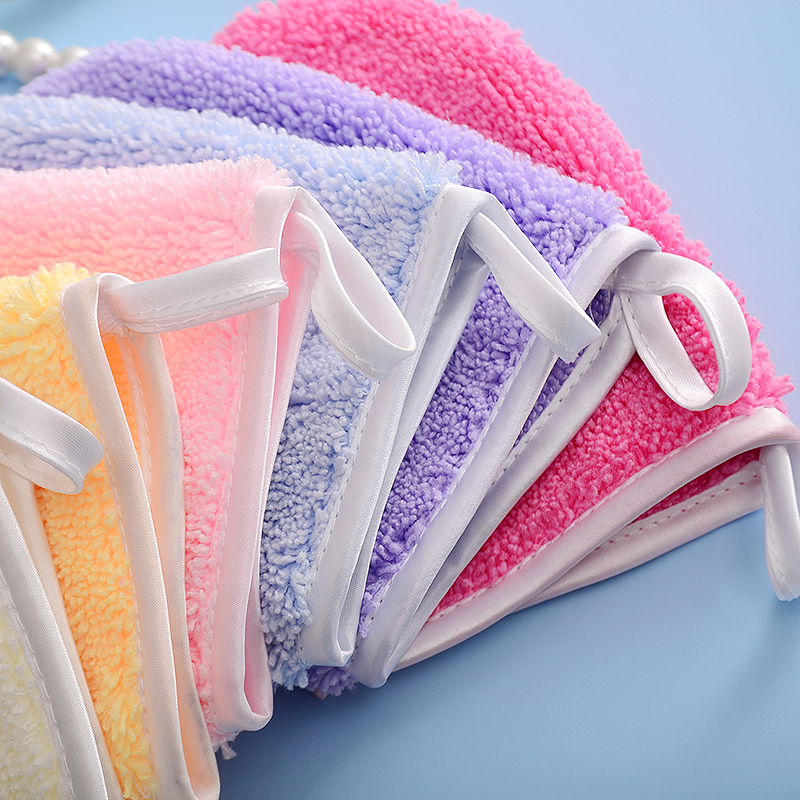
Environmental issues have become a key concern for both consumers and brands alike. Disposable makeup wipes, though convenient, contribute significantly to landfill waste, as they often contain non-biodegradable materials. As a result, the beauty industry is witnessing a shift towards reusable alternatives like eco-friendly makeup remover towels. These towels are made from sustainable fabrics such as bamboo or microfiber, which can be washed and reused multiple times, drastically reducing waste and carbon footprints. The growing concern over waste has led many consumers to opt for these reusable products, which are seen as a step towards a more sustainable beauty routine.Here’s a comparison of key parameters to show how reusable towels are a better choice for both the environment and users.
| Parameter | Makeup Remover Towel (Reusable) | Disposable Makeup Wipes |
| Material | Microfiber / Bamboo fiber | Non-woven polyester + viscose |
| Average Usable Cycles | 300-500 washes | 1 use |
| Waste Generated Per Year (1 user) | ~0.4 kg | 3–5 kg |
| Landfill Persistence | 1-5 years (natural fibers) | 100+ years |
| Plastic Content | 0–20% (depends on blend) | 40–60% |
| CO₂ Emissions Per 100 Uses | ~0.6 kg CO₂e | ~4.2 kg CO₂e |
| Water Required Per Use | 0.2–0.4 L (washing amortized) | 0.1 L (production only) |
| End-of-Life Options | Recycle / compost (fiber-specific) | Landfill only |
| Packaging | Paper / compostable packaging | Plastic packaging |
Health and Skin Care Priorities
As the beauty industry embraces sustainability, it is also placing greater emphasis on products that are safe and healthy for the skin. Many consumers are moving away from makeup removers that contain synthetic chemicals, alcohol, and fragrances, as they can irritate sensitive skin. Eco-friendly makeup remover towels, often crafted from natural fibers or organic materials, cater to this demand for gentle, skin-friendly products. These towels offer a chemical-free way to cleanse the skin while providing the same (or even better) effectiveness as traditional wipes. This shift reflects an ongoing trend where consumers prioritize their skin health and look for products that align with their natural and clean beauty standards.
The Clean Beauty Movement
The clean beauty movement has gained significant momentum in recent years, with consumers demanding products that are not only free from harmful ingredients but also ethically sourced and packaged. The definition of “clean beauty” is evolving, and in 2026, it includes sustainability and cruelty-free practices. Eco-friendly makeup remover towels fit perfectly into this growing trend as they provide a solution that is both non-toxic and environmentally responsible. Brands that offer these products are tapping into a market of consumers who care about the ethics behind the products they use, from ingredient sourcing to packaging. As clean beauty becomes more mainstream, makeup remover towels are likely to become a staple in eco-conscious skincare routines.
Market Growth and Trends for 2026
Projected Market Growth
The makeup remover market is projected to experience robust growth from 2026 to 2030, with a compound annual growth rate (CAGR) of 6.8%. This growth is largely fueled by the increasing consumer demand for more sustainable, skin-friendly alternatives to traditional makeup removal methods. As eco-friendly makeup remover towels gain popularity, they are expected to represent a significant portion of the market share. The transition from single-use disposable products to reusable, durable options will drive the market’s expansion, particularly in regions like North America and Europe, where sustainability concerns are front and center.
Rising Popularity of Reusable Products
Consumers are increasingly looking for multi-functional, sustainable beauty tools that help reduce clutter and waste in their skincare routines. Reusable makeup eraser cloths and eco-friendly makeup remover towels are quickly becoming go-to options for beauty enthusiasts who want to make more eco-conscious choices. These towels not only remove makeup effectively but also reduce the need for disposable wipes, makeup removers, or chemical-based cleansers. The increasing preference for such multi-functional products reflects the wider trend of "skinimalism," where consumers are embracing simpler, more sustainable beauty routines that prioritize efficiency and minimalism.
Technological Advancements in Material and Design
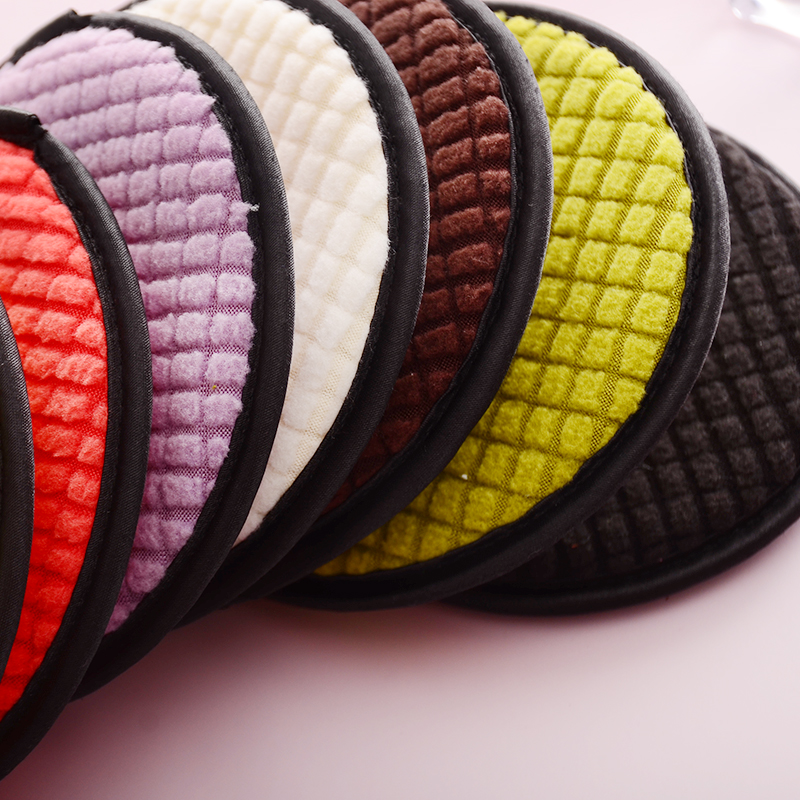
Innovation is a driving force behind the growing popularity of eco-friendly makeup remover towels. Brands are continuously exploring new materials to enhance the performance and durability of their products. For example, microfiber towels, which are highly effective at trapping dirt and makeup with just water, are a popular choice due to their ability to last through hundreds of washes without losing their efficacy. Additionally, manufacturers are experimenting with plant-based fibers, such as bamboo, which are biodegradable and sustainably sourced. As the material technology improves, eco-friendly towels are becoming even more efficient, helping to meet the growing consumer demand for both sustainability and high-performance products.
Consumer Demographics Driving the Trend
Millennials and Gen Z
Millennials and Gen Z are leading the charge when it comes to driving the demand for eco-friendly beauty solutions. These generations are more conscious of the environmental impact of their purchasing decisions and are seeking brands that align with their values. They are not only looking for products that are effective but also those that offer transparency regarding ingredients and sourcing. Makeup remover towels are particularly appealing to these consumers because they fit well into a sustainable and natural beauty routine. Social media, especially platforms like Instagram and TikTok, has played a significant role in raising awareness about the benefits of reusable beauty tools, further driving the demand for eco-friendly products among younger audiences.
North America and Europe
North America and Europe have long been at the forefront of the clean beauty movement, with a strong market share for eco-friendly products. In these regions, consumers are increasingly willing to pay a premium for sustainable, cruelty-free products that align with their values. The demand for eco-friendly makeup remover towels in these markets is expected to grow as consumers seek to reduce waste and choose products that are both effective and environmentally responsible. This trend is further supported by the availability of these products in high-end beauty retailers, both in-store and online, where they are marketed as part of a broader commitment to sustainability and ethical beauty practices.
Asia-Pacific Growth
The Asia-Pacific region is experiencing rapid growth in the beauty industry, driven by increasing urbanization, rising disposable incomes, and greater environmental awareness. Consumers in countries like China and India are becoming more conscious of the environmental impact of their beauty products, leading to a rising demand for sustainable alternatives. As more consumers in this region embrace eco-friendly beauty practices, the demand for makeup remover towels is expected to increase significantly. The rapid growth of e-commerce platforms in the region will also help to further expand the availability and accessibility of these products.
Key Trends and Innovations
Skinimalism and Multi-functionality
In 2026, skinimalism continues to gain traction as consumers move away from complicated skincare routines and embrace simplicity. This trend is evident in the rising demand for multi-functional beauty products, including makeup remover towels. These towels often eliminate the need for additional chemical cleansers or cotton pads, providing a convenient, effective, and sustainable option for makeup removal. As consumers adopt minimalist skincare routines, eco-friendly towels are well-positioned to become a staple in their beauty arsenals, offering both performance and environmental benefits.
Eco-Friendly Innovations
As the demand for sustainable beauty products grows, manufacturers are increasingly looking for innovative ways to make their products more eco-friendly. The use of plant-based fibers, such as bamboo and organic cotton, is becoming more common in the production of makeup remover towels. These materials are biodegradable, require fewer pesticides to grow, and have a smaller environmental footprint compared to synthetic alternatives. Additionally, many brands are focusing on creating packaging that is free from plastic, further enhancing the sustainability of their products. These innovations align with the rising consumer demand for products that not only benefit the skin but also the planet.
Sustainability Certifications and Proof
Consumers are increasingly looking for third-party certifications to ensure that products meet high environmental and ethical standards. Below is a breakdown of the key certifications that help validate the sustainability of makeup remover towels.
| Certification | Scope | Verifies |
| OEKO-TEX® Standard 100 | Textile Safety | Chemical Residue Limits |
| GOTS | Organic Fibers | Supply Chain Integrity |
| FSC (Packaging) | Paper Sourcing | Responsible Forestry |
| Cradle to Cradle | Product Lifecycle | Circular Design |
| ISO 14001 | Manufacturing | Environmental Management |
Tip: Certified products with OEKO-TEX® and Cradle to Cradle increase consumer trust and provide retailers with clear proof of environmental responsibility.
Competitive Landscape and Market Players
Established and Emerging Brands
The competition in the makeup remover market is intensifying as both established beauty giants and emerging sustainable brands vie for market share. Well-known companies like L'Oréal Paris and Neutrogena are incorporating eco-friendly products into their portfolios, including makeup remover towels, to cater to the rising demand for sustainable beauty solutions. At the same time, smaller, eco-conscious brands are innovating with unique materials and designs, offering differentiated products that appeal to environmentally conscious consumers. The competition is expected to increase as more players enter the market, and brands strive to differentiate themselves through sustainability credentials and product performance.
Strategic Partnerships and Collaborations
To capitalize on the growing demand for eco-friendly products, many beauty brands are forming strategic partnerships with influencers, retailers, and e-commerce platforms. These collaborations help increase brand visibility and educate consumers about the benefits of using sustainable beauty products. Influencers, in particular, play a key role in driving the demand for eco-friendly makeup remover towels, as they have the ability to reach large audiences and influence purchasing decisions. By leveraging digital platforms and partnering with sustainability-focused influencers, brands are able to engage with consumers in more meaningful ways.
Opportunities and Challenges in the Market
Opportunities
The growing demand for sustainable beauty products presents numerous opportunities for innovation and market expansion. Brands that invest in the development of biodegradable materials and innovative packaging solutions stand to benefit from a competitive edge. Additionally, the expansion of online retail channels offers a unique opportunity for smaller, eco-conscious brands to reach a global audience, making sustainable products more accessible. As the Asia-Pacific region continues to grow, companies that can cater to the rising demand for eco-friendly beauty products in these markets will see significant growth.
Challenges
Despite the numerous opportunities, the market for eco-friendly makeup remover towels also faces some challenges. One of the main obstacles is the increasing competition from both established and emerging brands. As the market becomes more saturated, it may be difficult for new players to stand out. Furthermore, while consumers are willing to invest in eco-friendly products, the price point of some sustainable options may limit their accessibility to a broader audience. Brands must find ways to balance innovation with affordability to ensure that their products remain attractive to a wide range of consumers.
Conclusion
The beauty industry is rapidly evolving towards sustainability, with the demand for eco-friendly makeup remover towels surging in 2026. These reusable products are meeting the growing consumer preference for sustainable, skin-friendly, and ethical beauty solutions. Brands like Samyong are leading the way by offering innovative, eco-conscious products that reduce waste and promote skin health. As consumer awareness grows, companies must continue to focus on sustainability and performance to remain competitive. The future of makeup remover towels looks bright, with Samyong providing valuable solutions in line with these market shifts.
FAQ
Q: What is a Makeup Remover Towel?
A: A Makeup Remover Towel is a reusable, eco-friendly cloth designed to remove makeup. It typically requires only water to effectively cleanse the skin, offering a sustainable alternative to disposable wipes.
Q: Why should I switch to a Makeup Remover Towel?
A: Switching to a Makeup Remover Towel helps reduce waste caused by disposable wipes. It’s an environmentally friendly, chemical-free option that’s gentle on the skin while being highly effective at makeup removal.
Q: How do I use a Makeup Remover Towel?
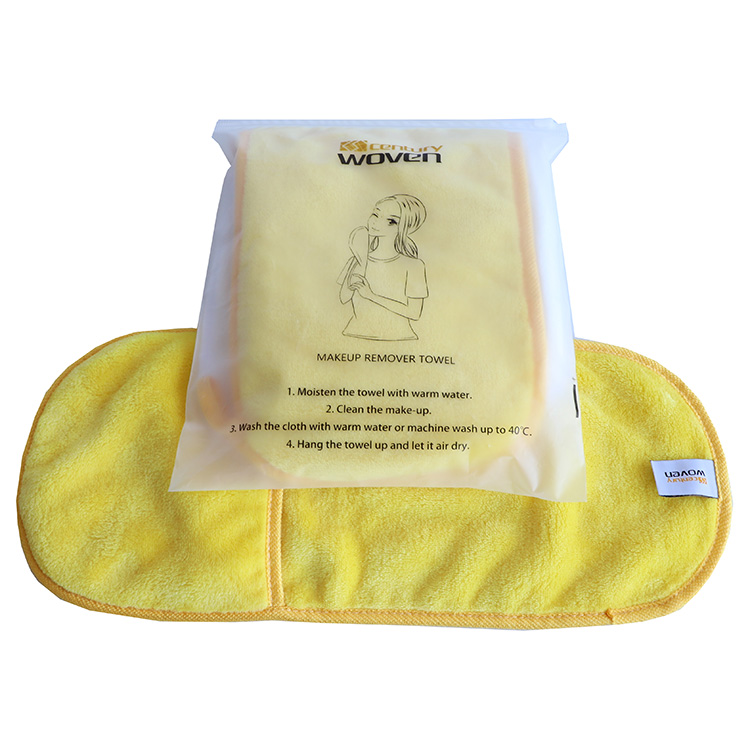
A: Simply dampen the Makeup Remover Towel with water and gently wipe your face. It will remove makeup without the need for harsh chemicals or other removers.
Q: Are Makeup Remover Towels suitable for sensitive skin?
A: Yes, Makeup Remover Towels are ideal for sensitive skin, as they don’t contain chemicals or fragrances that can cause irritation. Made from natural fibers, they provide a gentle yet effective cleansing experience.
Q: How much do Makeup Remover Towels cost?
A: The cost of a Makeup Remover Towel varies depending on the brand and material. On average, they range from $10 to $30 for a set of reusable towels, offering great value over time compared to disposable products.
Q: Can a Makeup Remover Towel be reused?
A: Yes, Makeup Remover Towels are reusable. After each use, simply wash them, and they can be used again, making them a sustainable option for makeup removal.


