Introduction
As the demand for makeup remover towels grows, consumers are looking for more efficient and eco-friendly options. Choosing the right manufacturer is crucial for private label brands to meet customer needs and align with brand values. In this article, we’ll explore how to select the best manufacturer based on quality, material, and sustainability.
Define Your Private Label Brand's Needs
Identify Your Target Market
To begin the process of selecting the best makeup remover towel manufacturer, you must first define your target market. Understanding your audience's demographics—such as age, skin type, and personal preferences—is crucial for selecting the right product features. For instance, if your target market consists primarily of individuals with sensitive skin, you may need to choose a manufacturer that offers hypoallergenic towels made from natural materials like organic cotton. On the other hand, if your target market includes eco-conscious consumers, you should prioritize manufacturers that specialize in sustainable and biodegradable options.
Select the Right Material for Your Makeup Remover Towel
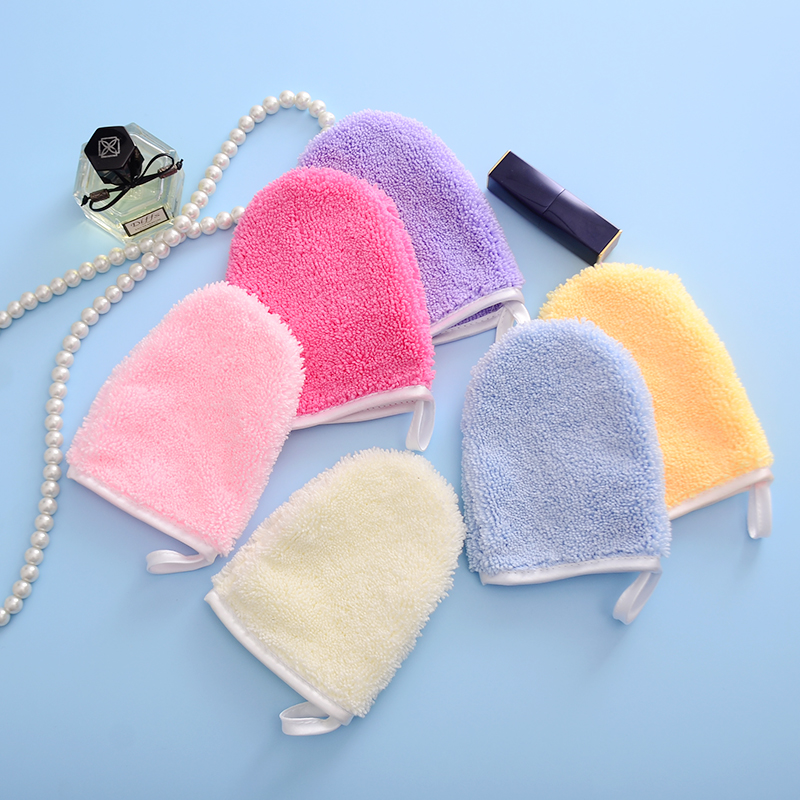
The material of your makeup remover towel plays a significant role in its performance and customer satisfaction. Two popular materials for makeup remover towels are microfiber and cotton. Microfiber towels are known for their superior ability to lift and trap makeup and dirt, making them ideal for customers with oily or acne-prone skin. Cotton, on the other hand, offers a soft, hypoallergenic texture that’s gentler on sensitive skin. When choosing a manufacturer, it’s essential to ensure they offer a variety of material options, allowing you to choose the best one for your brand’s specific needs.The following table will help you understand the key properties of different materials and assist in selecting the best towel material for your brand.
| Material Type | Key Features | Best For | Softness | Durability | Absorbency | Skin Compatibility | Environmental Impact |
| Microfiber | Ultra-fine fibers, superior at lifting and trapping dirt | Acne-prone, oily skin, makeup removal | Moderate softness | High durability, long-lasting | High absorbency, fast drying | Ideal for sensitive and oily skin | Synthetic, non-biodegradable |
| Cotton | Natural, hypoallergenic, plush texture | Sensitive skin, luxury brands | Very soft | Moderate durability | High absorbency | Hypoallergenic, gentle on skin | Biodegradable, eco-friendly |
| Bamboo | Natural, antibacterial, eco-friendly | Eco-conscious brands, sensitive skin | Soft, plush | Moderate durability | Moderate absorbency | Suitable for all skin types | Highly sustainable, biodegradable |
| Organic Cotton | Grown without pesticides, soft | Premium, luxury, eco-conscious brands | Very soft | Moderate durability | High absorbency | Ideal for sensitive and dry skin | Biodegradable, eco-friendly |
Determine Your Brand’s Desired Product Features
Every private label brand has unique product features they want to emphasize. Whether it's a focus on softness, high absorbency, or eco-friendly practices, these features should be a priority when selecting a manufacturer. For example, if your brand emphasizes luxury, you might opt for towels made from long-staple cotton for a plush feel. If sustainability is important to your brand, look for manufacturers that use biodegradable fibers and eco-friendly dyes. Ensuring that the manufacturer can meet these specifications will be crucial for the success of your product.
Evaluate the Manufacturer’s Quality & Certifications
Compliance with Industry Standards
When selecting a makeup remover towel manufacturer, ensuring they comply with industry standards is crucial. The following table outlines key certification standards and their elements to help you make an informed choice.
| Certification | Standard Details | Importance for Manufacturing | Certifying Body | Key Requirements |
| GMP (Good Manufacturing Practices) | Quality control, proper handling of raw materials, hygiene | Ensures the towels are produced in clean, controlled environments and meet safety and quality standards | ISO, FDA, National Regulatory Bodies | Clean production facilities, traceability of materials |
| ISO 22716 | Cosmetics Good Manufacturing Practice for safe production | Ensures product safety and quality through proper manufacturing, packaging, and labeling practices | International Organization for Standardization | Safety testing, documentation, and inspections |
| FDA Compliance | U.S. Food and Drug Administration’s guidelines for personal care products | Ensures that the makeup remover towels comply with the required safety standards for consumer use | U.S. Food and Drug Administration | Ingredient safety, labeling, and testing standards |
| Cruelty-Free Certification | No animal testing involved in the manufacturing process | Important for brands focusing on ethical, vegan, and cruelty-free values | Leaping Bunny, PETA | No animal testing, cruelty-free production |
Tip: Ensure the manufacturer has relevant certifications to not only guarantee product quality but also enhance your brand’s credibility, attracting a broader consumer base.
Material Quality Assurance
The quality of the materials used in your makeup remover towel is crucial for ensuring the product’s performance and longevity. Look for manufacturers that offer high-quality, durable fabrics, such as premium cotton or advanced microfiber. Additionally, make sure they have a strict quality assurance process in place to test for things like material strength, softness, and absorbency. A manufacturer that conducts thorough material testing will help ensure that your makeup remover towels perform as expected and have a long lifespan, even after multiple washes.
Testing and Quality Control Measures
Quality control is vital to ensure that each batch of makeup remover towels meets your brand’s standards. Manufacturers should offer comprehensive testing services, such as efficacy testing to ensure that the towels are effective at removing makeup without harsh rubbing, and stability testing to confirm that the towels maintain their softness and performance over time. Additionally, ensure that they can provide you with documentation, such as Certificates of Analysis (COA), to verify the testing and quality standards.
Assess Customization and Formulation Capabilities
Variety in Material and Design Customization
Customization is a key factor when choosing a makeup remover towel manufacturer. The best manufacturers should offer various design and material options to match your brand’s aesthetic and customer needs. You may want to choose a manufacturer that allows you to customize the size, color, and packaging of the towels to fit your brand’s vision. Additionally, some manufacturers may offer special designs, such as embossed logos or unique textures, that can help differentiate your brand in the marketplace.
Specialized Formulas for Different Skin Types
For private label brands targeting specific skin concerns, it’s essential to work with manufacturers that offer specialized formulas for different skin types. If you’re targeting customers with sensitive skin, look for a manufacturer that can offer towels made with non-irritating ingredients, such as organic cotton or hypoallergenic fibers. For customers with acne-prone or oily skin, consider manufacturers that provide microfiber towels designed to remove excess oils and makeup effectively without causing breakouts.
R&D Capabilities for Product Innovation
A manufacturer’s ability to innovate is vital, especially as consumer preferences in the beauty and skincare industries evolve. Manufacturers with robust research and development (R&D) teams are more likely to offer new technologies, materials, and designs that will give your private label brand a competitive edge. Whether it’s creating towels that enhance moisture retention or towels infused with skincare ingredients, working with a manufacturer that invests in R&D can help keep your brand on the cutting edge of the industry.
Examine Production Capabilities and Scalability
Flexible Minimum Order Quantities (MOQ)
The flexibility of a manufacturer’s minimum order quantity (MOQ) is a key consideration for startups or small brands. Startups typically benefit from manufacturers that offer low or no minimum order requirements, allowing them to test the market with smaller quantities. As your brand grows, the ability to scale production quickly is essential, so make sure the manufacturer can handle larger order volumes as your business expands.
Turnkey Solutions vs. Custom Manufacturing
Another decision you’ll need to make is whether to go with a turnkey solution or a custom manufacturing approach. Turnkey solutions are pre-made options that allow for faster production and time-to-market. However, custom manufacturing offers more flexibility in terms of product design and material selection. Consider your brand’s specific needs and how involved you want to be in the production process before making this decision.
Production Speed and Scalability
When selecting a manufacturer, it’s important to assess their ability to meet deadlines and scale with your brand. Ensure that the manufacturer can provide realistic lead times and can adapt to fluctuations in demand, especially during peak seasons. A manufacturer that can handle increased production demands without compromising quality will be an invaluable partner as your brand grows.
Focus on Packaging and Branding Capabilities
Design and Packaging Customization
Packaging design is not only about aesthetics but also about functionality and brand storytelling. A well-designed package serves as an ambassador for your brand, creating an emotional connection with consumers. Custom packaging allows you to create unique, memorable experiences for your customers, while also offering practical benefits such as ease of use and protection of the product. Research shows that packaging influences purchasing decisions, making it essential to choose a manufacturer who can deliver packaging solutions that are both visually appealing and functional.
Eco-Friendly and Practical Packaging Solutions
Sustainable packaging is becoming a priority as consumers demand more eco-conscious products. Opting for materials like recycled paper, plant-based plastics, or biodegradable options helps reduce your environmental footprint. Moreover, practical packaging solutions such as resealable pouches or moisture-lock features can extend the product’s shelf life and enhance convenience for consumers. Studies indicate that 70% of consumers are willing to pay more for products with sustainable packaging, highlighting the importance of aligning with eco-friendly practices.
Packaging Compliance and Protection
Make sure the manufacturer follows packaging safety standards to protect the quality of the makeup remover towels during storage and transportation. Packaging should meet all regulatory standards and ensure that the towels are not exposed to contaminants or damage. High-quality packaging ensures that your product reaches the consumer in perfect condition, contributing to customer satisfaction. Below is a table outlining key packaging safety standards and their benefits.
| Compliance Type | What It Ensures | Key Requirements | Impact on Product | Impact on Brand |
| FDA Packaging Compliance | Ensures packaging is safe for consumer use | Non-toxic materials, proper labeling, tamper-evident | Prevents product contamination, safe for use | Builds consumer trust in product safety |
| Recyclability Standards | Ensures packaging materials are recyclable | Use of recyclable materials, clear recycling instructions | Minimizes environmental impact | Positions your brand as eco-friendly |
| Leak-Proof Standards | Ensures packaging prevents leakage during transport | Secure seals, tamper-evident closures | Prevents product leakage, maintains quality | Enhances customer experience, reduces damage |
| Child-Safety Standards | Ensures packaging is child-proof | Child-resistant closures, secure sealing | Prevents accidental exposure to chemicals | Increases consumer confidence, especially for families |
Evaluate Communication and Partnership Dynamics
Responsiveness and Collaboration
A manufacturer’s responsiveness and willingness to collaborate are essential for fostering a strong, long-term partnership. Effective communication helps to resolve issues quickly and adapt to any changes in design or production schedules. Research shows that transparent, ongoing communication between brands and manufacturers reduces production delays by up to 30%, ensuring a smooth workflow. Manufacturers that proactively update you on progress help mitigate risks and ensure product timelines are met, contributing to overall brand success.
Transparency in Operations
Transparency not only builds trust but also safeguards your brand against potential risks. A manufacturer who shares detailed information about their processes, raw material sourcing, and certifications assures that your product is produced ethically and safely. Studies indicate that consumers are 40% more likely to trust brands that are transparent about their supply chain. A manufacturer who is open about production and sourcing ensures that your products comply with both regulatory standards and consumer expectations, reducing the likelihood of recalls or issues.
Availability of Samples for Testing
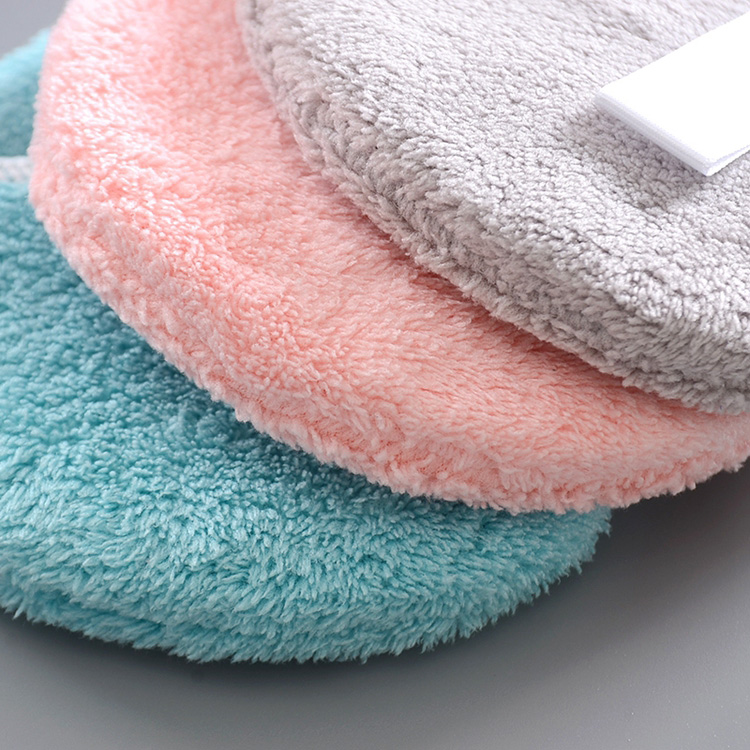
Requesting samples before placing a large order allows you to verify that the product meets your brand’s standards. Studies show that products tested for quality control are 25% more likely to achieve high customer satisfaction. This step helps identify any discrepancies in softness, absorbency, or overall performance, ensuring consistency across batches. Testing samples also allows you to check for material defects or manufacturing inconsistencies that might not be apparent until mass production begins.
Sustainability and Ethical Considerations
Eco-Friendly Manufacturing Practices
In today’s market, sustainability is a significant factor for many consumers. Choose a manufacturer that follows eco-friendly manufacturing practices, such as reducing waste, conserving energy, and using sustainable materials. Manufacturers who prioritize sustainability not only help the environment but also appeal to eco-conscious consumers. Below is a table summarizing common eco-friendly packaging materials and their advantages.
| Packaging Material | Eco-Friendly Features | Advantages | Impact on Product | Environmental Impact |
| Recycled Paper | Made from post-consumer recycled content | Sustainable, easily recyclable, customizable | Easy to print, excellent for boxes or inserts | Reduces landfill waste, promotes recycling |
| Glass | Made from natural and abundant raw materials | Reusable, recyclable, premium feel | Excellent for high-end products, reusable | Minimal environmental impact, highly recyclable |
| Biodegradable Plastics | Decomposes naturally in the environment | Compostable, non-toxic | Suitable for pouches and wraps, reduces landfill | Reduces plastic waste, biodegradable in natural environments |
| Aluminum | 100% recyclable, lightweight | Strong, lightweight, long shelf life | Good for jars and tubes, protects contents well | Low environmental impact, highly recyclable |
Tip: Consumers are increasingly valuing eco-friendly packaging, so adopting sustainable packaging options can improve your brand’s marketability and appeal.
Social Responsibility and Fair Labor Practices
Beyond product quality, ethical manufacturing has become a measurable business advantage. Manufacturers that follow fair labor standards—such as regulated working hours, safe facilities, and fair wages—tend to show lower defect rates and more stable output (data to be verified). Audited labor systems, including third-party social compliance checks, help reduce supply chain risk and reputational exposure. For private label brands, partnering with socially responsible factories also improves brand trust and supports long-term scalability in regulated global markets.
Certifications for Environmental Impact
Environmental certifications provide objective proof that a manufacturer’s sustainability claims are credible. Standards such as ECOCERT, FSC, and Fair Trade evaluate raw material sourcing, energy use, waste control, and traceability. These certifications rely on periodic audits and measurable indicators, not self-reported data. For brands, certified manufacturing partners simplify regulatory reviews and strengthen eco-claims in marketing. Research suggests certified sustainable products gain higher consumer confidence and improved shelf acceptance in both retail and e-commerce channels.
Conclusion
Choosing the best makeup remover towel manufacturer for your private label brand involves considering material quality, customization, scalability, and sustainability. By partnering with a manufacturer that aligns with your brand’s values and offers high-quality, ethical products, your beauty brand can thrive. Samyong offers unique, eco-friendly solutions, with customizable designs to help elevate your brand. Their commitment to sustainable manufacturing and quality assurance ensures your products meet the highest standards.
FAQ
Q: What is a makeup remover towel?
A: A makeup remover towel is a specially designed cloth, typically made from microfiber or cotton, that effectively removes makeup, dirt, and oils from the skin without the need for harsh chemicals. It's an eco-friendly and convenient alternative to disposable makeup wipes.
Q: How do I choose the best makeup remover towel manufacturer for my private label brand?
A: When choosing a makeup remover towel manufacturer, consider factors like material quality, customization options, sustainability practices, and scalability. Ensure the manufacturer aligns with your brand’s values and provides high-quality, ethical products.
Q: Why is the material important for a makeup remover towel?
A: The material of a makeup remover towel affects its softness, absorbency, and durability. For example, microfiber is highly absorbent and gentle on the skin, while cotton is soft and hypoallergenic. Choosing the right material ensures customer satisfaction and product performance.
Q: What makes a good makeup remover towel manufacturer?
A: A good manufacturer should provide high-quality materials, meet industry certifications, offer customization options, and demonstrate strong communication and transparency. They should also align with your sustainability goals and produce towels that meet your brand’s specifications.
Q: How much does it cost to manufacture makeup remover towels for a private label brand?
A: The cost of manufacturing makeup remover towels depends on factors like the material used, order quantity, and customization options. Typically, the cost decreases as the order volume increases, but premium materials or eco-friendly options may raise prices slightly.
Q: Can I customize my makeup remover towel design?
A: Yes, many manufacturers offer customization options for your makeup remover towels, such as branding, color, size, and packaging. Customization allows you to align the product with your brand's aesthetics and cater to your target market’s needs.
Q: How do I ensure the quality of my makeup remover towels?
A: To ensure quality, choose a manufacturer with a strict quality control process, including material testing, durability testing, and quality certifications. Request samples before placing large orders to verify softness, absorbency, and overall performance.


