A crystal clear windshield isn’t just about aesthetics—your safety on the road depends on it. Whether you’re dealing with stubborn smudges, bugs, road grime, or foggy residue, knowing how to clean your windshield properly can make all the difference in visibility and driving confidence. One of the most effective tools for achieving streak free clarity is something as simple as a high quality cleaning cloth. With the right approach and materials, you can transform your windshield from dull and smudged to brilliantly clear. In this article, we’ll walk you through everything you need to know about making your windshield crystal clear using a cleaning cloth, including preparation steps, proper techniques, common pitfalls to avoid, and maintenance tips. We’ll also share insights from professionals and why a trusted source like www.samyong-home.com can be a valuable partner in your cleaning toolkit.
1. Why Windshield Clarity Matters
Crystal clear windshields are about more than julst appearances; they’re a key safety factor. Poor visibility can seriously compromise reaction time, especially in low light conditions or during bad weather. Even minor smudges or streaks can distort incoming light, creating glare and visual noise that strain your eyes and distract you while driving.
Your windshield acts as a protective barrier, but it also serves as one of the primary points of sensory input—your view of the road ahead. Keeping it clean ensures that you can:
Spot hazards quickly
Avoid glare from oncoming headlights
Maintain clear sight lines in rain, snow, and fog
Improve overall driving comfort
Using a cleaning cloth effectively helps remove both visible and invisible contaminants, including oils and residues left by conventional cleaners.
2. What You’ll Need
Before we dive into the cleaning steps, here’s a quick rundown of the tools and materials that will help you achieve the best results:
Item | Purpose | Notes |
Cleaning Cloth | Wipe and buff the glass | Microfiber preferred |
Glass Cleaner | Breaks down dirt and grime | Use ammonia free formula |
Water | Dilutes residue | Warm water is best |
Spray Bottle | Even application | Optional if using pre spray |
Squeegee | Remove excess liquid | Helpful for large surfaces |
Dry Cloth | Final polishing | Lint free recommended |
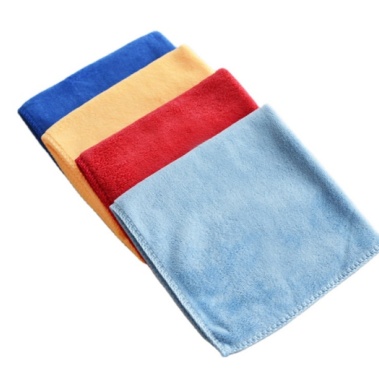
The star of the process is the cleaning cloth, especially microfiber cloths. These are engineered to trap and remove dust and oils without scratching the glass, making them superior to paper towels or regular rags.
3. Step-by-Step Guide to Achieving a Crystal Clear Windshield
Having a spotless windshield is essential for safe driving, offering you unobstructed visibility. It also ensures that you can maintain optimal reaction time, especially when driving in varying weather conditions. If you're looking for a quick yet effective way to clean your windshield and achieve crystal-clear results, here's a detailed, proven guide. By following these five steps, you can ensure that your windshield is not only clean but also streak-free and well-maintained.
Step 1: Remove Loose Dust and Debris
Before applying any cleaner, it’s essential to remove any loose dust, dirt, and debris from the windshield. Using a clean, dry microfiber cleaning cloth, gently wipe the surface in a circular motion. This helps lift any large particles that might cause scratches or streaks if left on the surface during cleaning. It’s essential to take your time with this step to ensure you don’t push debris around the glass, which could leave more grime behind. Removing loose dust is a crucial first step to prepare the windshield for a more thorough clean.
Step 2: Apply a Cleaner
Once the surface is free of large particles, it’s time to apply a glass cleaner to break down grime and oil buildup. Spray a thin, even layer of glass cleaner onto the windshield. Be sure to choose a cleaner that is ammonia-free to avoid damaging the tint or other surfaces around the glass. If you don’t have a commercial cleaner on hand, a simple DIY alternative is a mixture of 50% water and 50% vinegar. This mixture can do wonders for removing smudges and debris.
Step 3: Wipe with Microfiber Cloth
The next step is to wipe down the windshield with a clean microfiber cloth. Microfiber cloths are ideal because they are gentle, non-abrasive, and designed to trap dust and oils, preventing streaks. Start by using the microfiber cloth in a circular motion across the windshield. This helps dissolve and lift off the dirt, oils, and any residue left by the cleaner. It’s important to use light pressure and move the cloth evenly to avoid streaks. Be sure to flip or fold the cloth periodically to use a clean surface, ensuring the best results as you work your way across the entire windshield.
Step 4: Buff the Glass for a Streak-Free Finish
After you’ve wiped off the bulk of the cleaner and grime, take a dry section of your microfiber cloth and gently buff the windshield in horizontal strokes. This step is essential for achieving a crystal-clear, streak-free finish. Buffing helps remove any remaining cleaner and smooths out any minor streaks left behind from the previous wiping process. Make sure to use light pressure and work in long, smooth strokes to ensure an even, polished finish. If you notice any stubborn streaks, go over them again gently with the cloth, buffing them out.
Step 5: Pay Special Attention to the Edges
It’s easy to overlook the edges of the windshield, but these areas can trap grime and dust that affect visibility. The edges often accumulate dirt, water droplets, and other residues, and if they’re left uncleaned, they can detract from the overall cleanliness of the windshield. To clean the edges, fold your microfiber cloth into a small, tight square, which will give you more control and precision in reaching those hard-to-reach areas. Wipe along the perimeter of the windshield, paying close attention to the corners and along the trim. This extra step ensures that no contaminants are left behind, and your windshield is truly crystal clear.
4. Common Mistakes to Avoid
Even with a great cleaning cloth, mistakes can undo your hard work. Avoid these frequent errors:
Using paper towels – These can leave lint and create micro scratches.
Cleaning in direct sunlight – Cleaner can evaporate too quickly and leave streaks.
Ignoring follow up drying – Leaving the windshield wet can create water spots.
Reusing a dirty cloth – Always switch to a clean side or a fresh cloth when it becomes soiled.
5. Professional Tips for Long Lasting Clarity
Here are some advanced tips from cleaning experts:
Use Two Cloths
One for applying the cleaner and one for buffing and drying. This reduces streaks.
Switch Directions
Start with circular motions to lift dirt, then use vertical or horizontal strokes for finishing touches.
Clean Inside & Outside
Interior grease and fingerprints can be just as problematic as exterior debris. Use a separate clean cloth for the inside.
Protect After Cleaning
Applying a water repellent treatment can help rain and road spray bead and run off more easily.
6. Beyond the Basics: Why Quality Tools Matter
While anyone can grab a random rag and water, the quality of your cleaning cloth makes a real difference in results. High performance microfiber cloths are engineered with fine fibers that increase surface area and trapping power, making them superior for glass cleaning. They are less abrasive, less likely to leave residues, and more effective at capturing contaminants.
At www.samyong-home.com, you can explore a range of cleaning cloths designed specifically for automotive glass and surface care, helping you maintain crystal clear windshields with minimal effort.
Conclusion: Drive with Confidence, See with Clarity
A clear windshield not only improves your view of the road—it improves your overall driving experience and safety. With the right cleaning method and a quality cleaning cloth, you can easily achieve a streak free, crystal clear windshield every time you wash your car. Whether you’re preparing for a road trip, cleaning after a storm, or simply maintaining your vehicle, mastering this process puts the power of visibility back in your hands.
For trustworthy cleaning cloths and more helpful tips on glass care and other home and auto solutions, be sure to visit www.samyong-home.com. Their products and expertise can help you keep your windshield (and other surfaces) in top condition with confidence and ease.
FAQ
1. Can I use any cleaning cloth for my windshield?
Not all cloths are created equal. Microfiber cleaning cloths are ideal because they don’t scratch and are better at trapping dust and oils than cotton rags or paper towels.
2. How often should I clean my windshield?
It depends on your driving conditions, but a good rule of thumb is to clean your windshield once a week and do touch ups as needed, especially after muddy or rainy trips.
3. Why does my windshield streak even after cleaning?
Streaks can result from using a dirty cloth, cleaning in direct sunlight, or using cleaners that evaporate too quickly. Use a clean microfiber cloth and choice of proper glass cleaner for best results.
4. Should I clean the inside of the windshield differently?
Interior glass should be cleaned with a separate clean cloth to avoid transferring oils from exterior cleaning products. Use gentle circular motions followed by horizontal strokes for a streak free finish.


