Exfoliating gloves are a popular tool in the skincare world, designed to help cleanse and refresh your skin by removing dead cells and impurities. Whether you're aiming to enhance circulation, unclog pores, or simply rejuvenate your skin, exfoliating gloves offer a convenient solution. But one important question often arises: should you use exfoliating gloves wet or dry for the best results? In this article, we will explore the differences, benefits, and tips for using exfoliating gloves wet or dry to achieve smooth, radiant skin.
1. Understanding Exfoliating Gloves
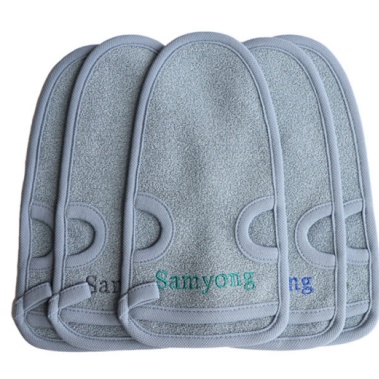
Exfoliating gloves are designed to gently scrub the skin and remove dead skin cells. These gloves are usually made from materials such as nylon, loofah, or natural fibers that provide just the right amount of abrasiveness for exfoliation. The key to their effectiveness lies in their texture and the method of use.
When you apply gentle pressure and scrub your skin with the exfoliating gloves, it helps to break down and slough off the outermost layer of dead skin cells. This process reveals fresh, new skin, leaving you with a glowing and smooth complexion. Exfoliating gloves also promote better blood circulation, which is essential for maintaining healthy skin.
2. Wet vs. Dry Exfoliation: Which One Should You Choose?
Exfoliating gloves are a versatile tool for maintaining healthy, glowing skin by removing dead skin cells. A common question that arises when using these gloves is whether it’s better to exfoliate wet or dry. Both methods have their unique benefits, and the choice often depends on your skin type, personal preferences, and exfoliation goals. In this section, we’ll explore both wet and dry exfoliation methods to help you understand which one is best for you.
Wet Exfoliation
Wet exfoliation involves using exfoliating gloves after moistening them with water. This is the most widely recommended method for general skin exfoliation. When the gloves are damp, they become softer and more flexible, allowing the exfoliating fibers to glide gently over the skin. Wet exfoliation works especially well in the shower or bath, where your skin is already hydrated and more receptive to exfoliation.
Advantages of Wet Exfoliation:
Gentler on Sensitive Skin: Wetting the gloves softens the texture, making them less abrasive. This is ideal for individuals with sensitive skin or those who are new to exfoliating. The moisture helps prevent irritation while still achieving effective exfoliation.
Lathering with Body Wash: When you use the gloves in the shower or bath, you can pair them with your favorite body wash. The water allows the body wash to lather up more efficiently, providing a soothing and hydrating experience. The combination of exfoliation and body wash can leave your skin feeling fresh and smooth.
Hydrates the Skin: Since the gloves are wet, your skin benefits from additional hydration during the exfoliation process. This moisture helps prevent the skin from drying out, which is a common concern with dry exfoliation. If you struggle with dry skin, wet exfoliation can help lock in moisture and maintain your skin’s hydration levels.
Less Abrasive: Wet exfoliation offers a more controlled, gentle scrub, which is perfect for individuals with normal to sensitive skin. It’s a safer option for frequent exfoliation, as it’s less likely to cause microtears or irritation on the skin.
When to Choose Wet Exfoliation:
Wet exfoliation is generally a better choice if you are looking for a gentle, soothing experience. It is particularly ideal for people with sensitive skin, individuals who are new to exfoliating, or those looking for a more hydrating method of exfoliation. It is also a great option for daily exfoliation, as it helps maintain smooth skin without causing damage.
Dry Exfoliation
Dry exfoliation, as the name suggests, involves using the exfoliating gloves on completely dry skin without any water or product. This method is typically performed before showering or bathing. Dry exfoliation is more intense than wet exfoliation, making it ideal for individuals looking for a deeper scrub. It’s particularly effective at addressing rough, bumpy, or uneven skin, such as the elbows, knees, and feet.
Advantages of Dry Exfoliation:
Deep Exfoliation: Dry exfoliation provides a more intense scrub compared to wet exfoliation. The friction created by the gloves helps to effectively slough off stubborn dead skin cells, making it ideal for tackling dry, rough patches or tough areas like elbows, knees, and feet. If you’re looking for an effective way to smooth out rough skin, dry exfoliation can deliver impressive results.
Boosts Circulation: The friction caused by dry exfoliation helps stimulate blood flow to the skin, promoting healthier skin and a more radiant complexion. Enhanced circulation can help nourish the skin cells, improving the overall tone and texture of your skin. This added benefit of dry exfoliation is particularly helpful for people with sluggish circulation or those who want to give their skin a healthy glow.
No Water or Product Needed: One of the key advantages of dry exfoliation is its convenience. Since no water or additional products are required, you can exfoliate anytime and anywhere. It’s perfect for people who are always on the go and don’t have access to a shower or bath. You can exfoliate in the morning before your routine or in the evening while relaxing.
Enhanced Skin Renewal: Dry exfoliation can help accelerate the skin renewal process by removing more layers of dead skin. This method encourages the skin to regenerate, leading to a smoother, more even complexion. If you have more stubborn areas of rough skin or need a deeper cleanse, dry exfoliation can give you that extra boost.
When to Choose Dry Exfoliation:
Dry exfoliation is ideal if you're looking for a deeper exfoliation and want to tackle rough skin. It is best used for specific areas of the body that may need extra attention, such as elbows, knees, or feet. Additionally, dry exfoliation is a great option if you want to stimulate circulation and achieve smoother, healthier skin over time. However, be cautious not to use this method too frequently on sensitive or irritated skin, as it can lead to skin damage if overdone.
Wet vs. Dry Exfoliation: A Comparison
Here’s a helpful comparison chart to summarize the differences between wet and dry exfoliation:
Exfoliation Type | Benefits | Ideal For | Caution |
Wet Exfoliation | Gentle, hydrating, smooth scrub | Sensitive skin, daily use | May not be as deep as dry exfoliation |
Dry Exfoliation | Deep scrub, stimulates circulation | Rough, bumpy skin, tougher skin | Can be abrasive if done too often |
3. Choosing Between Wet or Dry Exfoliation
Choosing the right exfoliating method largely depends on your skin type and exfoliation goals. If you have sensitive or dry skin, wet exfoliation might be a better option since it’s gentler. On the other hand, if you’re aiming for more intensive exfoliation or have tougher skin, dry exfoliation could provide the deeper scrub you need.
To help you decide, here’s a comparison chart:
Method | Best For | Benefits | Caution |
Wet Exfoliation | Sensitive skin, daily use, smooth skin | Gentle, hydrating, works well with body wash | May not be as deep as dry exfoliation |
Dry Exfoliation | Rough, bumpy skin, skin circulation | Deeper exfoliation, enhances circulation | Can be too abrasive for sensitive skin |
4. How Often Should You Use Exfoliating Gloves?
While exfoliating gloves are effective for maintaining smooth skin, it’s important not to overuse them. Over-exfoliation can irritate your skin, leading to redness and sensitivity. For most skin types, 1-2 times a week is sufficient for maintaining smooth and healthy skin. However, if you have sensitive skin, once every two weeks may be more suitable.
5. Tips for Using Exfoliating Gloves Effectively
Always wet the gloves before use: Whether you’re using the gloves wet or dry, wetting them slightly can provide a better experience and prevent irritation.
Use gentle pressure: Avoid scrubbing too harshly. Gentle exfoliation is effective and will prevent skin damage.
Moisturize after exfoliating: After exfoliating, apply a good moisturizer to keep your skin soft and hydrated.
Focus on rough areas: Concentrate on areas like your elbows, knees, and feet for more intensive exfoliation.
6. Conclusion
In conclusion, both wet and dry exfoliation with exfoliating gloves have their benefits. If you want a gentler experience with added hydration, wet exfoliation is the way to go. On the other hand, dry exfoliation offers a more intense scrub, perfect for tougher skin areas or those in need of deeper exfoliation. Whatever method you choose, remember to use exfoliating gloves regularly for smooth, glowing skin and combine them with your skincare routine.
For more information and to discover high-quality exfoliating gloves, visit www.samyong-home.com.
FAQ
Is it better to exfoliate wet or dry skin?
Wet exfoliation is gentler and hydrates your skin, while dry exfoliation provides a deeper scrub and boosts circulation.
How often should I use exfoliating gloves?
Most people should exfoliate once or twice a week to avoid over-exfoliation, though those with sensitive skin should exfoliate less frequently.
Can I use exfoliating gloves on my face?
Exfoliating gloves are primarily for the body and may be too abrasive for sensitive facial skin. Use gentler exfoliants for the face.
Can dry exfoliation damage my skin?
If done too frequently or with too much pressure, dry exfoliation can irritate the skin. Always use gentle pressure and exfoliate in moderation.


