Exfoliation is an essential part of maintaining healthy, glowing skin. Over time, dead skin cells build up on the skin's surface, leading to a dull complexion and clogged pores. Exfoliation removes these dead skin cells, promoting the regeneration of fresh, healthy skin. One popular method of exfoliation is the use of exfoliating gloves, which have gained significant attention due to their convenience and effectiveness. But are exfoliating gloves truly effective, and do dermatologists recommend them?
What Are Exfoliating Gloves?
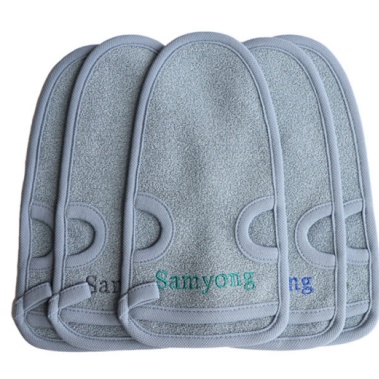
Exfoliating gloves are textured gloves that are used during showering or bathing to gently rub away dead skin cells. They are typically made from rough, coarse materials like nylon, loofah, or natural fibers, designed to physically scrub the skin's surface. By applying pressure to the skin, exfoliating gloves help to slough off dead skin, dirt, and impurities, leaving the skin smoother and more radiant.
These gloves are easy to use, affordable, and can be a great addition to your body care regimen. However, as with any skincare tool, it’s important to use them correctly to avoid irritation or damage.
How Do Exfoliating Gloves Work?
Exfoliating gloves work by physically scrubbing the skin with their rough surface. The process of friction between the glove and skin helps to loosen dead skin cells, promoting the skin's natural cell turnover process. This allows for smoother, softer skin and can also help to prevent ingrown hairs, acne, and other skin concerns.
The gloves are typically used in the shower or bath with warm water to help open up the pores. You can pair them with your favorite body wash, scrub, or simply use them with water alone. The key is to gently massage the skin in circular motions, focusing on areas that may need extra exfoliation, such as elbows, knees, and feet.
Do Dermatologists Recommend Exfoliating Gloves?
Dermatologists are experts in skin health, and their advice is highly valuable when it comes to skincare routines. So, what do dermatologists think of exfoliating gloves?
The Pros of Exfoliating Gloves
Improved Skin Texture
Exfoliating gloves can improve the texture of the skin by removing dead skin cells. This helps promote skin regeneration and leaves the skin looking fresher, smoother, and more even.
Better Circulation
The act of exfoliating with gloves can also stimulate blood circulation, which may improve the overall appearance and health of the skin. Increased circulation brings more oxygen and nutrients to the skin, contributing to its radiance.
Affordable and Accessible
Exfoliating gloves are cost-effective and widely available. They are much more affordable compared to other exfoliating tools, such as chemical exfoliants or professional treatments, making them a good option for individuals looking for a budget-friendly exfoliation method.
Natural and Gentle Exfoliation
For people who prefer physical exfoliation over chemical exfoliation, exfoliating gloves offer a natural, gentle method. They don’t involve the use of potentially harsh chemicals, making them an attractive option for individuals with sensitive skin.
Prevents Ingrown Hairs
Exfoliation helps remove dead skin cells that can trap hair follicles, which can lead to ingrown hairs. Regular use of exfoliating gloves can help to keep the skin smooth and prevent these unwanted bumps, especially for those who shave or wax.
The Cons of Exfoliating Gloves
Risk of Over-Exfoliation
Exfoliating too frequently or too aggressively with exfoliating gloves can cause significant harm to your skin. Over-exfoliation strips away too many dead skin cells, disrupting the skin’s natural barrier and causing irritation, redness, and dryness. This can lead to an increase in sensitivity and make the skin more vulnerable to environmental stressors, like pollution or harsh weather. As dermatologists often caution, moderation is key when using exfoliating gloves. It’s important to limit their use to avoid damaging the skin's protective layer.
Not Suitable for All Skin Types
Exfoliating gloves may not be the right choice for individuals with sensitive, acne-prone, or inflamed skin. The friction caused by the coarse material of the gloves can aggravate conditions such as rosacea, eczema, or active acne, potentially leading to more irritation or inflammation. If you have any of these conditions, it’s best to consult with a dermatologist before incorporating exfoliating gloves into your routine, as they might exacerbate the problem instead of providing the intended benefits.
Potential for Bacterial Growth
Exfoliating gloves are often used in damp environments such as the shower, which makes them susceptible to accumulating moisture. If not cleaned and dried properly after each use, they can become breeding grounds for bacteria and mold. This can increase the risk of skin infections or irritations, especially if the gloves come in direct contact with cuts, abrasions, or inflamed skin. Regularly washing and thoroughly drying the gloves is essential to ensure they remain hygienic and safe to use.
Not as Effective for Deep Exfoliation
While exfoliating gloves are great for surface-level exfoliation, they might not be able to achieve the deep exfoliation that some individuals need. For those with more stubborn skin concerns, such as severe acne, hyperpigmentation, or textured skin, chemical exfoliants like AHAs or BHAs, or professional treatments such as microdermabrasion, may offer more significant and long-lasting results.
Dermatologists’ Opinions on Exfoliating Gloves
Most dermatologists agree that gentle exfoliation is an important part of a skincare routine. However, they also emphasize that moderation is key when it comes to physical exfoliation. Here’s what dermatologists have to say about exfoliating gloves:
Dr. Joshua Zeichner, Dermatologist: Dr. Zeichner suggests that exfoliating gloves can be a great tool when used correctly, especially for individuals with thick, non-sensitive skin. He advises against overuse and recommends limiting exfoliation to once or twice a week, depending on your skin type.
Dr. Hadley King, Dermatologist: Dr. King points out that exfoliating gloves can be a useful tool for rougher areas of the body, such as elbows, knees, and feet, which tend to have thicker skin. However, she warns against using exfoliating gloves on sensitive or acne-prone skin, as they can aggravate conditions like rosacea or active breakouts.
Dr. Shereene Idriss, Dermatologist: Dr. Idriss recommends exfoliating gloves as part of a body care routine but emphasizes that they should be used in moderation. She advises individuals to listen to their skin and avoid over-scrubbing, which can lead to irritation or damage.
In conclusion, dermatologists generally agree that exfoliating gloves can be beneficial for certain skin types, particularly those with thicker, non-sensitive skin. However, individuals with sensitive skin or specific skin concerns should use caution and consult with a dermatologist before incorporating exfoliating gloves into their routine.
How to Use Exfoliating Gloves Safely
To maximize the benefits of exfoliating gloves while minimizing the risks of irritation or over-exfoliation, it’s important to use them correctly. Here are some tips for safe use:
Limit Use to Once or Twice a Week
Exfoliating too frequently can strip the skin of its natural oils and lead to irritation. Limit use to once or twice a week, and adjust based on your skin’s needs.
Use Gentle Pressure
Avoid scrubbing too harshly. Use gentle, circular motions to allow the gloves to remove dead skin without damaging the skin’s surface. Excessive pressure can cause redness, dryness, and irritation.
Choose the Right Glove
Look for gloves made from soft, natural fibers if you have sensitive skin. Avoid coarse, rough materials that can cause excessive abrasion.
Clean and Dry the Gloves Properly
After each use, wash your exfoliating gloves with soap and water to remove any dirt and oil. Allow them to air dry completely to prevent bacterial growth.
Moisturize After Exfoliating
After exfoliating, apply a nourishing moisturizer to replenish moisture and protect your skin’s natural barrier.
Conclusion
Exfoliating gloves can be an effective and budget-friendly tool for maintaining healthy, smooth skin. They help remove dead skin cells, improve skin texture, and enhance circulation, promoting a glowing complexion. However, as with any exfoliation method, it’s important to use them properly to avoid over-exfoliation and irritation.
While dermatologists generally agree that exfoliating gloves can be beneficial for individuals with thick, non-sensitive skin, they advise moderation and caution for those with sensitive or acne-prone skin. By following the correct guidelines for use, exfoliating gloves can be a valuable addition to your skincare routine, offering long-term benefits for your skin's health and appearance.
For those looking to enhance their skincare routine with high-quality exfoliating gloves, www.samyong-home.com provides a range of durable and comfortable options, designed to cater to all skin types and promote a healthier, smoother complexion.
FAQ
Q: Are exfoliating gloves suitable for all skin types?
A: Exfoliating gloves are best suited for individuals with thicker, non-sensitive skin. Those with sensitive or acne-prone skin should use them with caution or opt for gentler exfoliation methods.
Q: How often should I use exfoliating gloves?
A: Dermatologists recommend using exfoliating gloves once or twice a week, depending on your skin type. Over-exfoliation can lead to irritation or damage.
Q: Can exfoliating gloves help with acne?
A: Exfoliating gloves can help prevent clogged pores by removing dead skin, but they may irritate acne-prone skin. It’s best to consult with a dermatologist before using them if you have active acne.
Q: How do I properly clean exfoliating gloves?
A: After each use, wash the gloves with soap and water, and allow them to air dry completely to prevent bacterial growth and ensure they remain effective.


