If you want the gentlest touch for your car’s paint, you should choose a chenille wash mitt. The soft fibers lift dirt away from the surface and reduce the risk of scratches. When you focus on safety, you protect your vehicle’s finish and keep it looking new. The Samyong Chenille Wash Mitt stands out for its quality and plush design. You can trust this wash mitt to provide a safe and effective cleaning experience.
Types of Car Wash Mitts
Chenille Wash Mitt Features
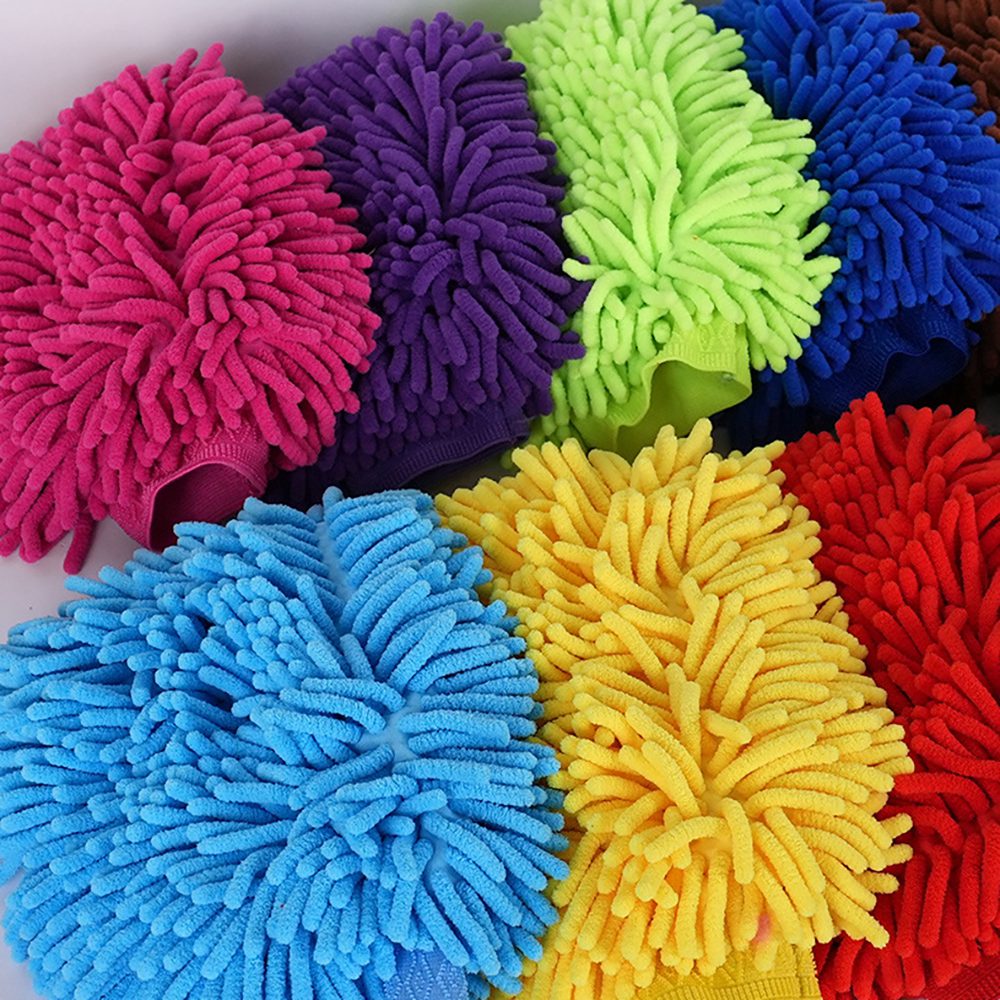
You encounter chenille wash mitts when you want a gentle cleaning tool for your vehicle. The Samyong Chenille Wash Mitt uses thick, super soft microfiber strands that create a plush surface. These tendrils trap dirt and dust, reducing the risk of dragging particles across your paint. You benefit from high absorbency, which allows the mitt to carry plenty of soap and water. This feature helps loosen grime without scratching the surface. The ergonomic design of the Samyong mitt gives you a comfortable grip, making it easy to maneuver during washing.
Tip: Choose a chenille wash mitt if you value softness and a soft feel for your car’s paint. The thick microfiber structure protects delicate surfaces and minimizes swirl marks.
Here’s a quick look at the unique features and benefits:
Feature | Benefit |
Thick, super soft microfiber | Highly absorbent, carries a large amount of soap and water to loosen dirt without scratching. |
Supple, pliable tendrils | Catch and trap dirt and dust, reducing dragging effects that could scratch the paint. |
You often use a chenille mitt for wheels, tires, and rocker panels. It works well for these areas because it holds lots of soap and lifts dirt away. You should avoid using it on the main paint if your car is dusty or heavily soiled, since trapped dirt can increase swirl risk.
Synthetic Wash Mitt Features
Synthetic wash mitts, including microfiber mitts and synthetic wool mitts, offer a different approach. You notice that these mitts feel extremely soft and gentle on paint. The fibers soak up soap and water, making them ideal for perfectly clean paint. Synthetic mitts excel at providing a soft feel and minimizing friction.
Synthetic Wool Mitts:
Microfiber Wash Mitt:
However, dirt can get trapped in synthetic mitts, and they may not release it easily when rinsed. You should avoid using them on dusty or heavily soiled cars, as trapped debris can clog the fibers and pose a risk to your paint.
Type of Mitt | Pros | Cons | Best For | Not For |
Chenille Microfiber Mitts | Soft, plush, holds lots of soap | Traps dirt, high drag, hard to rinse | Wheels, tires, rocker panels | Main paint washing |
Synthetic Wool Wash Mitts | Extremely soft, gentle on paint | Dirt gets trapped, poor dirt release | Perfectly clean paint | Dusty or heavily soiled cars |
You find that car wash mitts come in many forms, but choosing the right one depends on your cleaning needs and the condition of your vehicle.
Wash Mitt Safety for Car Paint
Dirt Trapping and Swirl Prevention
When you wash your car, you want to avoid swirl marks and scratches. The type of car wash mitts you choose plays a big role in paint safety. High-quality wash mitts, such as microfiber or chenille wash mitts, lift and trap dirt away from the paint. This action helps prevent particles from scratching the surface as you clean.
You should know that both chenille and synthetic mitts can vary in their dirt-trapping abilities. Microfiber mitts often stand out for their effectiveness in lifting debris. However, if you use a mitt that does not release grit easily, you increase the risk of swirl marks. Dirt left in the mitt can drag across the paint, especially if you apply pressure.
Tip: Rinse your wash mitt frequently in clean water during washing. This habit reduces the chance of dirt buildup and helps maintain the safety of your car’s finish.
Here is a comparison of common mitt types and their impact on paint safety:
Mitt Type | Softness | Grit Release | Scratch Risk |
Chenille noodle | 6/10 | Poor | High |
Synthetic mitt | 4/10 | Poor | Moderate |
Orange Wash Microfiber Towel | 10/10 | Excellent | Low |
You can see that softness and grit release both matter for swirl prevention. The right wash mitt will help you keep your car’s paint looking smooth and glossy.
Risks of Scratching
Scratches often happen when you use a contaminated wash mitt. Dirt and grit trapped in the fibers can cause wash-induced marring. This risk increases if you press down hard while cleaning. Both chenille and synthetic mitts can hold onto particles, which may lead to scratches if not rinsed properly.
You should always check your wash mitt before each use. Make sure it is clean and free of debris. If you notice any roughness, wash or replace the mitt. Using proper washing techniques, such as the two-bucket method, also helps reduce the risk of scratching.
Contaminated wash mitts are the main cause of scratches on car paint.
Dirt in the mitt can lead to swirl marks, especially with pressure.
Some types of contamination stay in the mitt and can mar the paint easily.
Note: You protect your car’s finish best when you combine the right wash mitt with careful technique. Always rinse, inspect, and maintain your mitt for maximum safety.
You should remember that the safety of your car’s paint depends on both the quality of your wash mitt and how you use it. Choose a mitt with good softness and dirt-trapping ability, and always follow safe washing practices to keep your vehicle looking its best.
Chenille Wash Mitt vs. Synthetic: Performance
Cleaning Effectiveness
You want your car wash mitts to deliver strong cleaning power without harming your paint. When you use a chenille wash mitt, you notice its plush fibers attract and trap dirt. The dense foam lifts grime and removes debris efficiently. Independent tests show that chenille microfiber mitts excel at dirt removal, making them one of the best car wash mitts for swirl prevention. The softness of the fibers helps protect your paint from scratches. You also find that a microfiber mitt, like the proelite microfiber wash mitt, offers similar benefits. Both types create a thick lather that loosens dirt and reduces swirl risk.
Synthetic wash mitts perform well on clean surfaces. You see that they soak up soap and glide smoothly over paint. However, they may not trap dirt as effectively as chenille mitts. If you wash a heavily soiled car, you might notice some particles remain on the surface. The microfiber wash mitt stands out for its softness and ability to lift light debris, but it may struggle with stubborn grime.
Tip: For maximum cleaning effectiveness, rinse your wash mitt often and avoid pressing down hard. This habit helps prevent swirl marks and keeps your paint looking glossy.
Comfort and Usability
Comfort matters when you wash your car. You want a mitt that feels good in your hand and makes cleaning easy. The ergonomic design of the Samyong chenille wash mitt gives you a secure grip. You maneuver the mitt easily, even when tackling tough spots. The softness of the fibers feels gentle on your skin and your car’s paint.
When it comes to maintenance, you need to machine wash the chenille mitt after each use. This step ensures the mitt stays clean and ready for your next wash. Synthetic mitts offer easier cleaning. You can rinse them in warm water, which saves time and effort. Both types provide usability, but you may prefer the plush feel and swirl prevention of chenille mitts.
Feature | Chenille Wash Mitt | Synthetic Wash Mitt |
Dirt Removal | High | Moderate |
Softness | Excellent | Good |
Swirl Prevention | Strong | Moderate |
Cleaning Method | Machine Wash | Rinse in Warm Water |
Comfort | Ergonomic, Plush | Lightweight, Smooth |
You choose the mitt that fits your needs. If you value softness and swirl prevention, chenille wash mitts stand out. If you want quick cleaning, synthetic mitts offer convenience.
Pros and Cons of Car Wash Mitts
Chenille Wash Mitt Pros & Cons
You often look for the best car wash mitts to protect your vehicle’s paint. The chenille wash mitt stands out for its softness and cleaning effectiveness. Its shaggy fibers lift dirt away from the surface, trapping particles and reducing swirl risk. You gain better control with the glove-style design, which helps you reach tight spots. The chenille mitt offers excellent durability, so you can rely on it for repeated use.
Outstanding durability lets you use the mitt for many washes.
Shaggy texture lifts and traps dirt, preventing scratches and swirl marks.
Glove-style design gives you control in hard-to-reach areas.
Soft feel ensures gentle contact with paint, enhancing safety.
You may notice some drawbacks. Some users report that chenille mitts shed fibers, which can affect cleaning performance. Clumping of fibers sometimes occurs, making it harder to rinse out debris. A few customers mention marring on the car’s surface after using these mitts, especially if dirt remains trapped.
Tip: Always rinse your wash mitt thoroughly and inspect it before each use. This habit helps prevent swirl and keeps your paint safe.
Synthetic Wash Mitt Pros & Cons
Synthetic wash mitts, including microfiber wash mitt and proelite microfiber wash mitt, offer a different set of advantages. You benefit from superior cleaning power and easier dirt release. These mitts hold dirt well and often require less maintenance to keep their softness. You may pay a higher upfront cost, but you get better value over time.
Aspect | Synthetic Wash Mitts (Microfiber) | Traditional Sponges |
Cost | Higher upfront cost, better value over time | Lower upfront cost, less value over time |
Maintenance | Requires proper care to maintain softness and performance | Can harden or tear over time, less durable |
Performance | Superior cleaning power, holds dirt better, easier dirt release | Saturates with grime quickly, less effective cleaning capabilities |
You sometimes encounter issues with synthetic mitts. If you do not maintain them properly, they lose their soft feel and cleaning effectiveness. Some mitts saturate with grime quickly, which can increase swirl risk. You must wash and dry them carefully to preserve their performance.
Note: You protect your car’s paint best when you choose car wash mitts that combine softness, dirt trapping, and easy maintenance.
Choosing the Best Wash Mitt
Paint Protection Recommendation
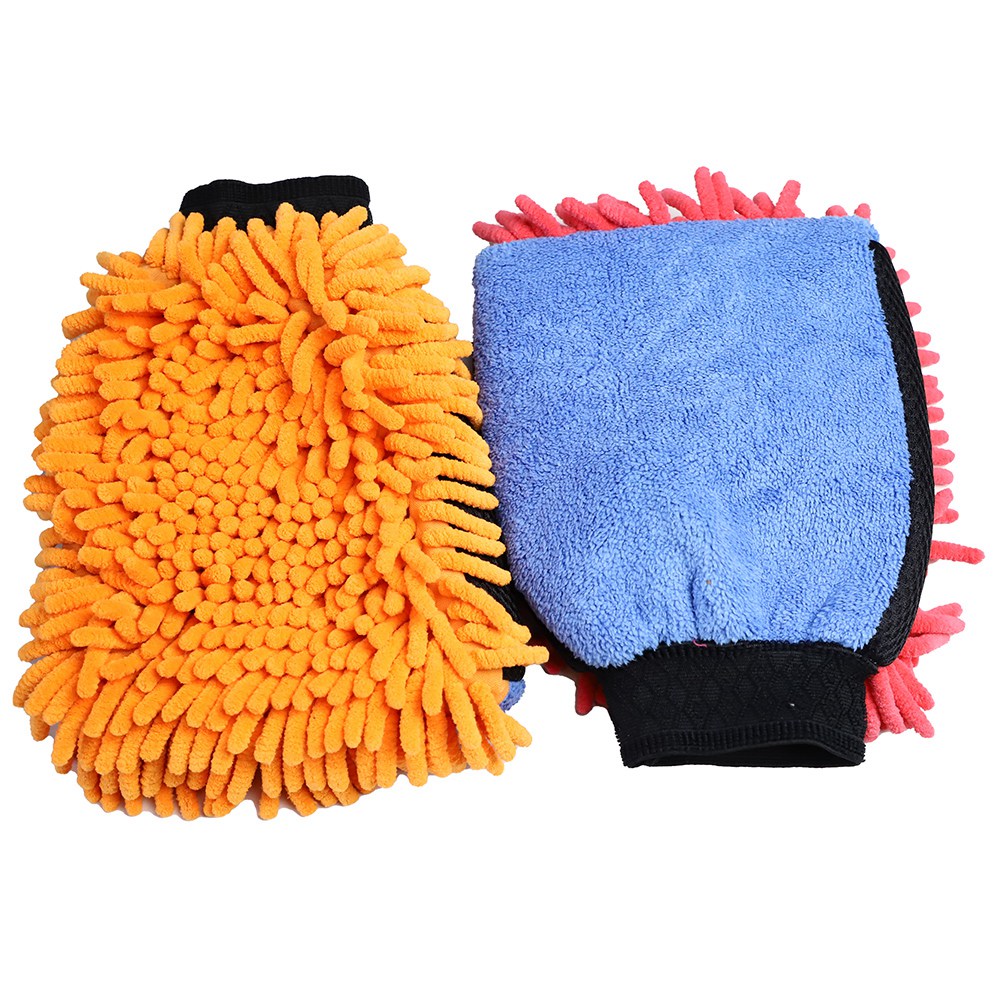
You want to protect your car’s paint from scratches and swirl marks. Choosing the right wash mitt makes a big difference in safety and appearance. Experts recommend using plush fibers that lift dirt away from the surface. A chenille wash mitt stands out for its deep pile and excellent water retention. This design helps you trap more dirt and reduce swirl risk. You also benefit from the softness of the fibers, which glide smoothly over the paint.
When you look for the best wash mitt, consider these points:
Select a microfiber mitt for its protective qualities and ability to reduce swirl.
Check the thickness and density (GSM) for better absorbency and cleaning power.
Choose an ergonomic design for comfort and control during washing.
Avoid foam sponges on painted surfaces, as they can cause scratches.
A high-quality chenille wash mitt, like the Samyong model, offers superior lubricity and dirt-trapping ability. You can trust it to keep your car’s finish safe and glossy.
Other Factors (Cost, Maintenance, Durability)
You should also think about cost, maintenance, and durability when selecting a wash mitt. Each type has unique strengths:
Feature | Chenille Mitts | Synthetic Mitts |
Cost | $5–$25, with budget and premium options | Varies by material quality |
Maintenance | Needs thorough drying after use | Often requires less maintenance |
Durability | Effective on stubborn dirt, retains moisture | Known for long-lasting performance |
To extend the life of your wash mitt, always use the two-bucket method with dirt traps. Store your mitt in a clean, enclosed space to prevent contamination. Regular machine washing keeps the mitt fresh and ready for use.
Many users report that chenille mitts last for years without causing swirl or scratches, especially when you follow proper care routines. Synthetic mitts also offer durability, but you may prefer the plush feel and dirt-lifting power of chenille for optimal paint protection.
Tip: Consistent maintenance and correct washing technique help you get the most from your wash mitt and keep your car looking its best.
You want the gentlest and safest option for your car’s paint. Chenille mitts, especially high-quality choices like the Samyong Chenille Wash Mitt, offer soft fibers that protect your finish. Always use proper washing techniques to prevent scratches and maintain your vehicle’s shine. Car owners often worry about scratching, dirt trapping, and durability. Choose a wash mitt that meets your needs, and follow these steps for best results:
Pre-rinse your car.
Use car wash soap.
Wash gently in sections.
Rinse and dry with care.
FAQ
Can I machine wash my chenille wash mitt?
You can machine wash your chenille wash mitt. Use mild detergent and cold water. Avoid bleach or fabric softener. Air dry for best results. This keeps the mitt soft and ready for your next wash.
How often should I replace my wash mitt?
You should replace your wash mitt when you notice wear, roughness, or trapped debris. Regular inspection helps you maintain paint safety. Most mitts last several months with proper care.
What is the best technique to prevent scratches?
You should use the two-bucket method. One bucket holds clean soapy water, the other holds rinse water. Rinse your mitt often. This technique reduces dirt buildup and protects your car’s paint.
Are chenille wash mitts safe for all paint types?
Chenille wash mitts work well on most paint types. The soft fibers protect delicate finishes. You should always check your mitt for cleanliness before use to avoid accidental scratches.


