Are you tired of streaks and dirt lingering after cleaning? Microfiber towels are game-changers in achieving spotless surfaces. Their unique fibers trap dirt and germs more effectively than traditional cloths.
In this article, we’ll explore three innovative ways to use microfiber towels for maximum cleaning efficiency. You’ll learn techniques that not only enhance your cleaning routine but also ensure a healthier home. Plus, discover why Samyong, with over 20 years of expertise, is a trusted name in microfiber solutions.
Understanding Microfiber Towels
What is a Microfiber Towel?
A microfiber towel is a specialized cleaning cloth made from ultra-fine synthetic fibers. Typically, these fibers are a blend of polyester and polyamide, which gives them unique properties. Microfiber towels are much thinner than a human hair, allowing them to capture dirt and dust effectively.
When compared to traditional cleaning cloths, like cotton towels, microfiber towels offer significant advantages:
● Higher Absorbency: Microfiber can absorb up to seven times its weight in liquid, making it ideal for spills and cleaning tasks.
● Durability: Unlike cotton, microfiber towels can withstand numerous washes without losing their effectiveness.
● Versatility: They can be used on various surfaces, from glass to delicate electronics.
Samyong's microfiber towel series stands out due to its premium blend of polyester and polyamide, ensuring both durability and exceptional cleaning performance.
Benefits of Using Microfiber Towels
Microfiber towels provide several key benefits that make them a preferred choice for both home and professional cleaning:
● Superior Cleaning Efficiency: The tiny fibers create a larger surface area, allowing them to trap dirt, dust, and bacteria effectively. This means you can clean more surfaces with less effort.
● Eco-Friendly and Reusable: These towels reduce the need for disposable cleaning products. You can wash and reuse them many times, contributing to a more sustainable cleaning routine.
● Reduced Chemical Use: Microfiber’s ability to capture dirt means fewer harsh chemicals are needed for effective cleaning. This is especially important for those sensitive to chemicals or looking to create a healthier environment.
Samyong's microfiber products are not just effective; they also meet international quality standards, having passed ISO 9001 and BSCI certifications.
Common Uses of Microfiber Towels
Microfiber towels are incredibly versatile and can be used in various settings:
● General Cleaning: Perfect for everyday tasks around the house, office, or car. Their absorbent nature makes them great for wiping down surfaces and cleaning spills.
● Specialized Applications: They excel at cleaning delicate items such as electronics and glass. The soft fibers ensure no scratches or streaks are left behind.
● Diverse Product Range: Samyong offers a variety of microfiber towels tailored for specific uses, including:
○ Cleaning Towels: Ideal for general cleaning tasks.
○ Hair Towels: Designed to quickly absorb moisture from hair.
○ Car Cleaning Gloves: Perfect for maintaining the interior and exterior of vehicles.
Product Type | Key Features |
Cleaning Towels | High absorbency, reusable |
Hair Towels | Soft, quick-drying |
Car Cleaning Gloves | Plush texture, effective for surfaces |
Microfiber towels from Samyong not only enhance cleaning efficiency but also adapt to various cleaning needs, making them essential tools for any cleaning arsenal.
Game-Changing Method 1: The Eight-Panel Folding Technique
Why the Eight-Panel Method Works
The eight-panel folding technique is a practical approach to maximizing the cleaning efficiency of a microfiber towel. By folding the towel into eight sections, you create multiple clean surfaces ready for use. This method not only enhances your cleaning power but also reduces the risk of cross-contamination.
● Maximized Surface Area: Each panel can be used for different tasks, allowing you to cover more ground without reusing dirty areas.
● Reduced Cross-Contamination: By changing panels frequently, you minimize the transfer of dirt and bacteria from one surface to another.
This technique is particularly useful in environments where hygiene is critical, such as kitchens and healthcare settings.
Step-by-Step Guide
Here’s how to fold your microfiber towel into eight panels effectively:
1. Start with a Flat Towel: Lay the microfiber towel flat on a clean surface.
2. Fold in Half: Fold the towel in half lengthwise, aligning the edges neatly.
3. Fold Again: Fold the towel in half again, making sure the edges line up.
4. Final Folds: Now, fold the towel into thirds. You should have a compact rectangle.
5. Adjust Panels: Open the towel slightly to reveal the eight distinct panels.
Tips for Using Each Panel Effectively
● Panel 1: Use this for initial dusting or dry cleaning.
● Panel 2: Ideal for wiping down surfaces with a cleaning solution.
● Panel 3: Best for delicate surfaces like glass or electronics.
● Panel 4: Great for final polishing, ensuring no streaks are left behind.
● Panels 5-8: Rotate through these panels as needed, keeping the cleaning process efficient and hygienic.
Best Surfaces to Use This Method On
The eight-panel method excels on various surfaces, making it a versatile cleaning technique.
● Counters and Tables: Great for kitchens and dining areas, where spills and crumbs are common.
● Electronics: Use the softer panels for screens and devices to avoid scratches.
● Stainless Steel: Perfect for appliances, as it helps maintain their shine without leaving streaks.
● Glass: Ideal for windows and mirrors, ensuring a spotless finish.
Surface Type | Recommended Panel Use |
Counters | Panels 1 and 2 |
Electronics | Panels 3 and 4 |
Stainless Steel | Panels 1 and 4 |
Glass | Panels 3 and 4 |
By using the eight-panel folding technique, you can transform your cleaning routine. This method not only makes cleaning more efficient but also helps maintain a hygienic environment. Incorporating this technique into your routine will ensure that every surface shines.
Game-Changing Method 2: Two-Towel Polish for Glass and Mirrors
Importance of Streak-Free Cleaning
Achieving streak-free surfaces is crucial for maintaining a polished and professional appearance. Streaks can detract from the overall look of windows and mirrors, making them appear dirty even after cleaning. Here are some reasons why streak-free cleaning matters:
● Aesthetic Appeal: Clean, clear glass enhances the look of any space, whether it’s a home or office.
● Safety: Streaks can obscure vision, especially on car windows or mirrors, posing safety risks.
● Professionalism: For businesses, spotless glass reflects attention to detail and care.
Traditional cleaning methods often fall short, leading to streaks and smudges. Common issues include using the wrong cloths or too much cleaning solution, which can leave residues behind.
Step-by-Step Cleaning Process
To achieve that crystal-clear finish on glass and mirrors, follow this simple two-towel method:
1. Prepare Your Tools: Grab two microfiber towels—one damp and one dry. If needed, use a gentle glass cleaner or a vinegar-water solution.
2. Dampen the First Towel: Lightly spray your cleaning solution on the surface or directly onto the damp microfiber towel. Avoid soaking it; too much liquid can lead to streaks.
3. Wipe the Surface: Use the damp towel to wipe the glass in a circular motion. This helps lift dirt and grime effectively.
4. Polish with the Dry Towel: Immediately follow up with the dry microfiber towel. Use a similar circular motion to buff the surface, ensuring no moisture remains.
5. Check for Streaks: Inspect the surface from different angles to ensure a streak-free finish. If you spot any streaks, simply buff those areas again.
Best Practices for Glass and Mirror Cleaning
To get the best results from your cleaning routine, keep these tips in mind:
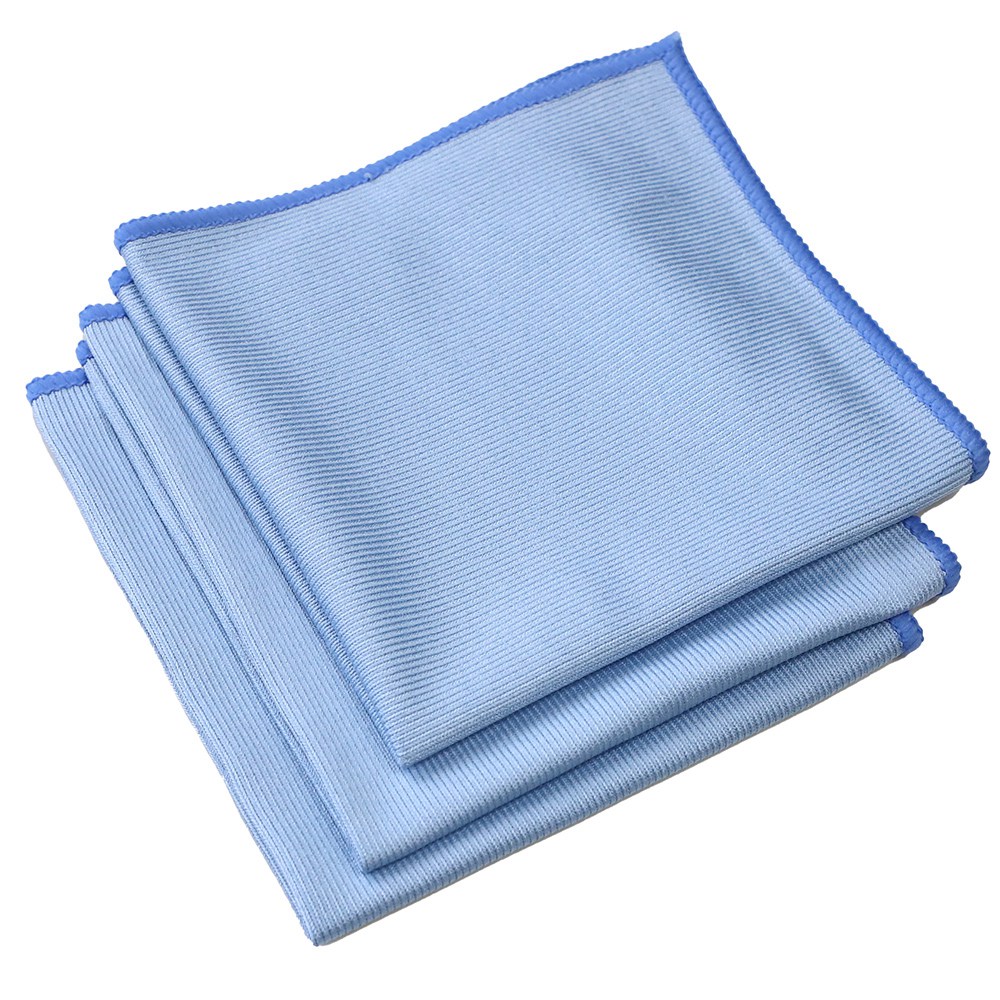
● Use the Right Cloth: Samyong's Custom Silver Microfiber Glass Cloth is specifically designed for glass surfaces. Its fine fibers ensure a scratch-free and streak-free finish.
● Avoid Excess Water: Using too much water can lead to streaks. Just a light mist is enough to clean effectively.
● Clean on a Cloudy Day: Direct sunlight can cause cleaning solutions to dry too quickly, leading to streaks. Aim for overcast days or clean in the shade.
● Regular Maintenance: Frequent cleaning prevents buildup, making each session easier and more effective.
Common Mistakes | Tips for Avoidance |
Using paper towels | Stick to microfiber for less lint |
Over-saturating the cloth | Use a light mist instead |
Cleaning in direct sunlight | Choose shaded areas |
By following these steps and tips, you can ensure your glass and mirrors shine like new. This two-towel polish method, combined with quality microfiber towels, transforms your cleaning routine into a simple yet effective process.
Game-Changing Method 3: Grain-Matched Stainless Steel Cleaning
Understanding Stainless Steel Care
Stainless steel is a popular choice for kitchens and appliances due to its sleek appearance and durability. However, it requires special attention to maintain its shine and avoid damage. Here’s why it’s important to care for stainless steel properly:
● Scratches and Marks: Improper cleaning can lead to scratches, which mar the surface and make it look worn.
● Fingerprints and Smudges: Stainless steel surfaces often attract fingerprints, making regular cleaning essential.
● Corrosion Risks: Using harsh chemicals can cause corrosion over time, compromising the material.
Common pitfalls include using abrasive cleaners or scrubbing pads, which can scratch the surface. Additionally, cleaning against the grain can leave unsightly streaks.
Step-by-Step Guide to Cleaning Stainless Steel
Using microfiber towels effectively on stainless steel surfaces can make a significant difference. Follow these steps for a flawless finish:
1. Gather Your Materials: You’ll need a microfiber towel, a gentle cleaning solution, and a second dry towel for polishing.
2. Dampen the Towel: Lightly spray the cleaning solution on the microfiber towel. Avoid soaking it, as excess moisture can leave streaks.
3. Follow the Grain: Wipe the stainless steel surface in the direction of the grain. This helps prevent scratches and ensures a polished look.
4. Buff with a Dry Towel: After cleaning, use the dry microfiber towel to buff the surface. This step is crucial for achieving a streak-free shine.
5. Inspect the Surface: Check for any missed spots or streaks. If needed, repeat the process on those areas.
Additional Tips for Stainless Steel Maintenance
To keep your stainless steel looking new, consider these best practices:
● Use the Right Products: Opt for cleaners specifically designed for stainless steel. These products are formulated to enhance shine without damaging the surface.
● Regular Cleaning: Make it a habit to clean stainless steel surfaces regularly. This prevents buildup and makes each cleaning session easier.
● Avoid Harsh Chemicals: Steer clear of bleach or ammonia-based cleaners, as they can damage the finish over time.
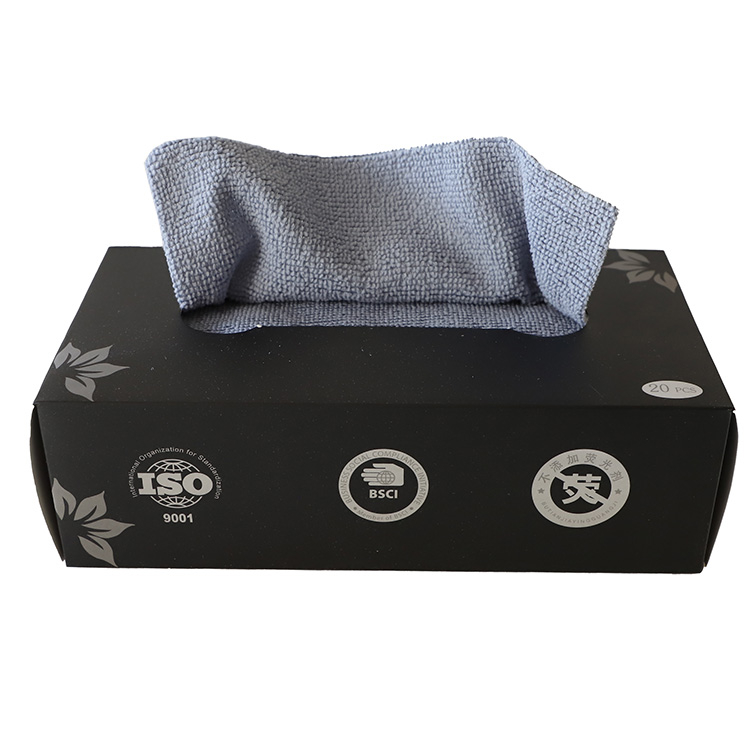
● Store Properly: If you use multiple microfiber towels, keep them organized. Samyong's Microfiber Cleaning Towel in Box is perfect for this purpose, ensuring you have the right tools on hand.
Recommended Products for Stainless Steel | Benefits |
Gentle stainless steel cleaner | Enhances shine, safe for surfaces |
Samyong Microfiber Cleaning Towel | Soft, effective, reusable |
By following these guidelines, you can maintain the beauty and functionality of stainless steel surfaces. Proper care not only enhances their appearance but also extends their lifespan, making your investment worthwhile.
Maintenance and Care for Microfiber Towels
Proper Washing Techniques
To keep your microfiber towels in top condition, proper washing is essential. Here are some guidelines to follow:
● Washing Temperature: Use warm water, ideally around 40°C (104°F). This helps remove dirt and oils without damaging the fibers.
● Detergent Choice: Opt for a mild detergent without additives. Avoid heavy-duty detergents, as they can leave residues that reduce the towel’s effectiveness.
What to Avoid
● Fabric Softeners: These can coat the fibers, making them less absorbent over time.
● Bleach: Harsh chemicals like bleach can break down the fibers, leading to premature wear.
For best results, refer to Samyong’s recommendations. They emphasize using gentle washing methods to maintain the integrity of their microfiber products, ensuring long-lasting performance.
Drying and Storing Microfiber Towels
Once washed, how you dry and store your microfiber towels matters greatly. Here are best practices to follow:
● Drying Methods:
○ Air Drying: This is the gentlest method. Hang your towels in a well-ventilated area, away from direct sunlight to avoid fading.
○ Machine Drying: If you choose this method, use a low heat setting. High temperatures can damage the fibers and reduce their effectiveness.
● Storage Tips:
○ Keep Them Dry: Ensure towels are completely dry before storing to prevent mold and bacteria growth.
○ Organize by Use: Store towels in separate bins based on their intended use—cleaning, polishing, or drying. This helps maintain their cleanliness and effectiveness.
Washing and Drying Guidelines | Best Practices |
Wash in warm water | Air dry or low heat machine dry |
Use mild detergent | Store completely dry |
Avoid fabric softeners and bleach | Organize by intended use |
By following these maintenance tips, you can extend the lifespan of your microfiber towels. Proper care ensures they remain effective for all your cleaning tasks, making them a valuable tool in your cleaning arsenal.
Conclusion
In summary, we explored three game-changing methods for using a microfiber towel. These techniques enhance cleaning efficiency and effectiveness.
Incorporating microfiber towels into your daily routine can make a big difference.
We encourage you to share your experiences or tips in the comments.
Trust Samyong for high-quality microfiber towels that deliver outstanding results.
FAQ
Q: Can microfiber towels be washed and reused?
A: Yes, microfiber towels can be washed and reused multiple times. Proper washing techniques are essential for maintaining their effectiveness.
Q: What surfaces should I avoid using microfiber towels on?
A: Avoid using microfiber towels on rough surfaces that may cause scratches, such as certain types of unsealed wood or abrasive surfaces.
Q: How long do microfiber towels last?
A: With proper care, microfiber towels can last several hundred washes, making them a durable cleaning option.
Q: Are all microfiber towels the same quality?
A: No, not all microfiber towels are the same. Quality varies based on fiber density and manufacturing processes.
Q: Can I use microfiber towels without any cleaning solution?
A: Yes, microfiber towels can effectively clean surfaces with just water, thanks to their unique fiber structure.


